


How Thermal Spray Coatings Improve Wear and Abrasion Resistance in Industrial Components
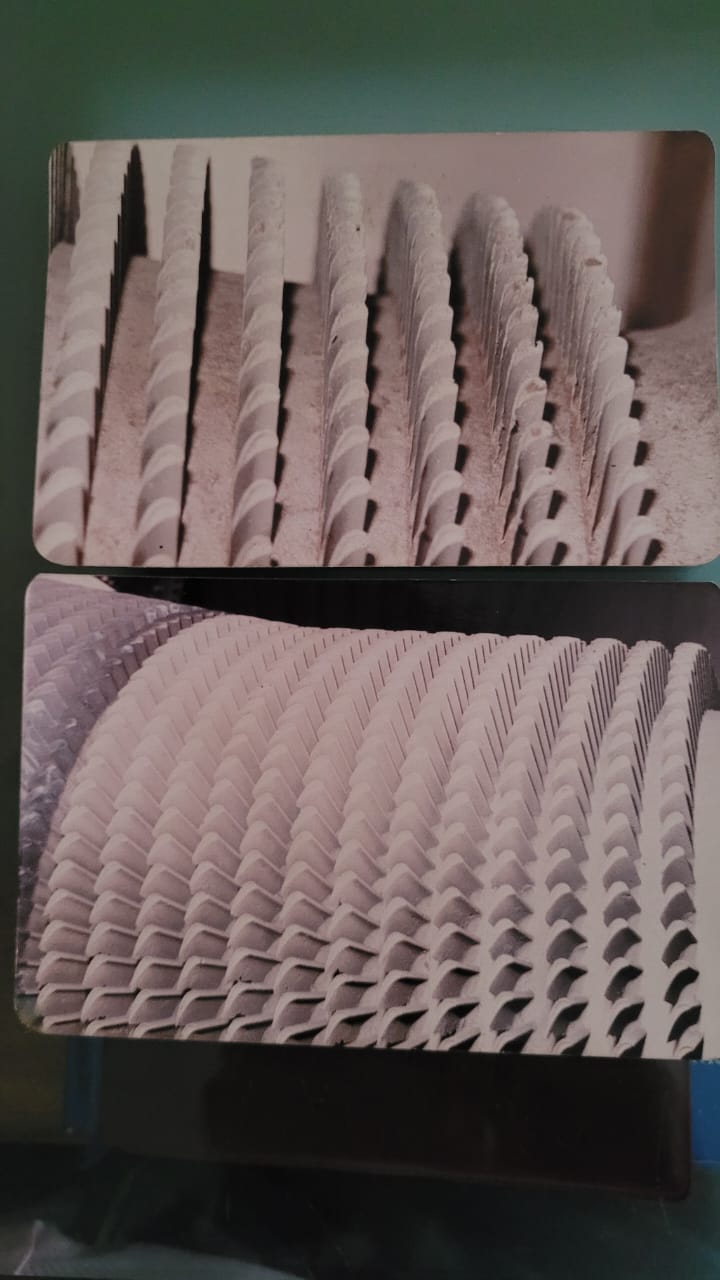
In industrial settings, machine components are subject to continuous friction, pressure, and contact with various materials, leading to gradual wear. Failure of critical parts can slow production, increase maintenance costs, and cause unplanned downtime.
Thermal spray coatings form a protective barrier that enhances resistance to wear, abrasion, and challenging operating conditions.
This section explains how the principles and benefits of thermal spray coatings contribute to improved equipment longevity and operational efficiency.
What Are Thermal Spray Coatings?
Thermal Spray Coatings are metallic or ceramic layers applied using specialised spray equipment. Common methods include High Velocity Oxygen Fuel (HVOF), plasma, and arc spraying. In each process, the coating material is heated and deposited onto the component, forming a durable layer.
The primary purpose of these coatings is to protect components from environmental degradation and operational wear.
Many coated components are known as contact parts because they are in direct contact with processed materials.
Rollers, guides, pulleys, and valves frequently interact with materials such as metal, paper, or wire, resulting in abrasion and mechanical stress.
A similar example is the outsole of a shoe, which experiences constant abrasion from the ground and gradually wears down. To improve durability, manufacturers use wear-resistant materials in outsole construction.
Thermal spray coatings provide a durable protective layer, extending the service life of components.
Benefits of Thermal Spray Coatings
Increased Hardness and Abrasion Resistance
Harder surfaces are more resistant to abrasion caused by dust, friction or sliding. In industrial environments, coated rollers experience less wear as materials move across them. Without coatings, rollers would wear quickly due to ongoing friction.
Improved Surface Finish and Easier Sliding
Thermal spray coatings enhance surface smoothness and overall quality.
Surface finish refers to the microscopic irregularities on a surface. Increased roughness leads to higher friction during sliding. Grinding or polishing coatings removes these irregularities, resulting in a smooth, uniform finish.
Smoother surfaces allow easier movement, reducing wear and extending component lifespan. It's like sliding a heavy box across rough concrete rather than polished marble. The smoother surface offers less resistance.
Longer and More Efficient Operation
These coatings enable machines to operate for longer periods with fewer interruptions.
For manufacturers, this results in:
- Reduced maintenance
- Fewer component replacements
- Less production downtime
- Higher overall production output
Even a small, modest increase in component lifespan can reduce costs and improve operational efficiency.
Technical Factors in Coating Selection
Selecting coatings involves more than just considering hardness. Engineers evaluate multiple factors to ensure optimal performance.
Hardness vs. Toughness
Harder materials resist wear but may fracture if they are too brittle.
For components subjected to impact loading or continuous stress, coatings with optimised toughness and moderate hardness are preferable to avoid brittle failure. For instance, tungsten carbide-cobalt (WC-Co) coatings combine a hard carbide phase with a ductile cobalt matrix, providing resistance to both abrasive wear and impact-induced damage. Pure ceramic coatings, such as chromium oxide or alumina, have higher hardness but lower fracture toughness, increasing their susceptibility to crack propagation under dynamic loads. By balancing coating hardness with toughness, engineers can extend component longevity under severe mechanical and tribological conditions.
Surface Finish
Surface finish is critical because it influences how components interact.
Precision grinding and polishing enhance smoothness.
Smoother surfaces reduce friction and wear, thereby improving efficiency.
Hot Hardness
Many industrial processes involve high temperatures, which can weaken standard materials.
In high-temperature environments, coatings must retain their hardness, a property known as hot hardness. Materials such as Stellites and Tribaloys are selected for these applications because they maintain strength and wear resistance under heat. Stellite, a cobalt-chromium alloy, resists softening and provides corrosion resistance due to its chromium content. Tribaloy alloys, composed of cobalt, molybdenum, chromium, and silicon, offer excellent wear and corrosion resistance in hot, demanding conditions. Both are commonly used for valves, cutting tools, and hot-working dies.
Industry Applications of Thermal Spray
Industries apply thermal spray coatings to components exposed to significant wear and challenging environments.
Steel Plants
In steel plants, rollers experience rapid wear from contact with moving steel strips. Coatings protect these components from premature failure.
Paper Industry
In paper production, rollers are in constant contact with paper sheets, leading to rapid wear from continuous friction. Thermal spray coatings protect these rollers and prevent premature failure. Similarly, in oil drilling, coatings extend tool life by resisting abrasive mud, oil, and high-pressure conditions.
Cement Manufacturing
In cement factories, valves and gates are exposed to fly ash and hot, fast-moving particles. Coatings protect against heat, wear, and erosion.
Textile and Spinning Mills
Spinning pots and yarn guides are in contact with fibres and yarn. Coatings reduce friction and wear, helping maintain consistent production quality.
Automotive Industry
Car engine components are coated to increase durability and withstand heat and mechanical stress.
Wire Manufacturing
In wire manufacturing, pulleys and capstans guide and draw wires such as copper, aluminium, or steel through the production process. These components are in constant contact with fast-moving wires, resulting in abrasive wear and grooving. Thermal spray coatings provide a durable barrier, enhancing Abrasion Resistance, reducing surface roughness, and extending service life. Coated pulleys help maintain wire quality, reduce maintenance needs, and support consistent production.
Conclusion
Thermal spray coatings play a vital role in surface engineering. By producing harder, smoother, and more heat-resistant surfaces, they protect machine components from wear, abrasion, and harsh conditions, enabling equipment to last longer and operate reliably in demanding industrial environments.
As manufacturing processes become more demanding and downtime costs increase, the importance of thermal spray coatings continues to grow. Ongoing advances in coating materials and application techniques provide engineers with greater precision in tailoring surface properties to meet specific application requirements.
 +91 9820718722
